


Many owners pause training when winter hits, assuming it’s too cold or inconvenient. But here’s the truth: winter is one of the best times of year to build obedience, confidence, and consistency.
When distractions decrease and routines settle, your dog becomes more focused. Structured indoor and outdoor training during these colder months often leads to faster results than spring or summer sessions.
As a trainer, I’ve seen some of the best breakthroughs happen in winter. Let’s explore why this season is ideal for making progress.
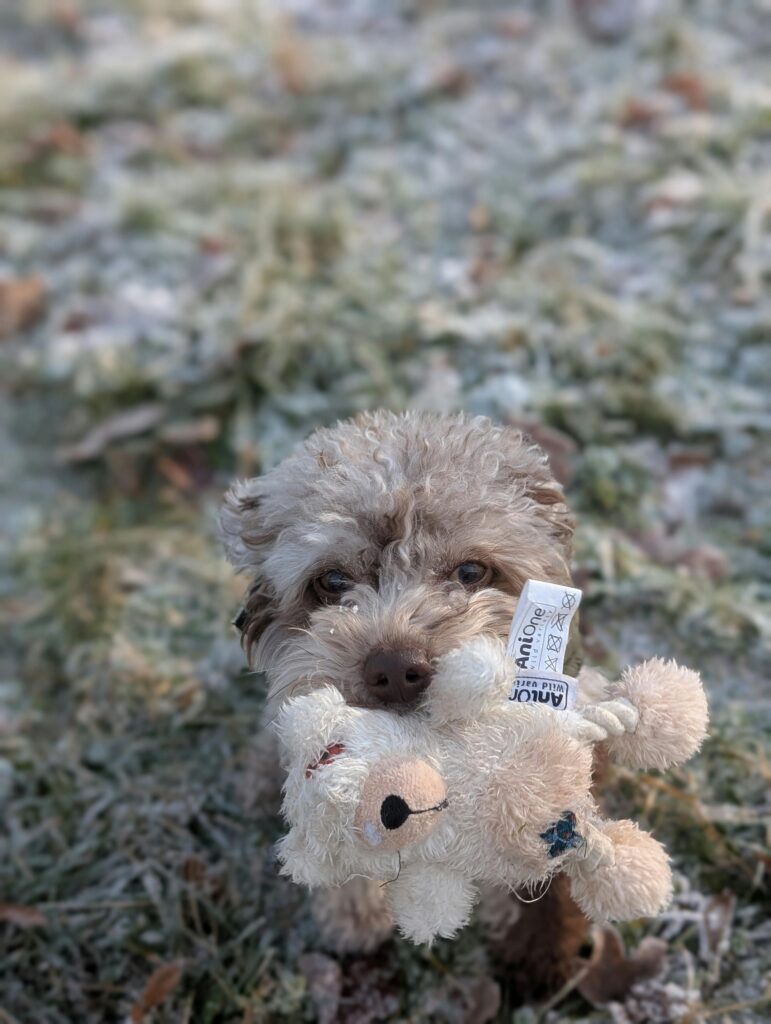
Fewer Distractions Mean Better Focus
During winter, parks and walking trails are quieter, making it easier for your dog to concentrate.
- Fewer outdoor distractions help your dog focus on you.
- Training in calm environments builds stronger foundational obedience.
- When spring arrives, your dog will already have the focus needed for busier settings.
Our Basic Obedience Program is ideal for this season because it emphasizes attention, impulse control, and recall, skills that sharpen even faster when distractions are limited.
Indoor Training Keeps Skills Sharp
When the weather gets too cold for long walks, indoor training becomes your best friend. Living rooms, basements, or garages provide the perfect space for short, structured sessions.
Great indoor drills include:
- Place command to encourage calmness.
- Focus games to improve engagement.
- Leash walking indoors to refine heel position.
- “Find it” games for mental enrichment.
You can also revisit obedience exercises covered in our post on the ultimate guide to understanding game-based learning vs. gamification for dogs. Training through games keeps learning fun even when outdoor time is limited.
Winter Builds Mental Endurance
Cold months give you the chance to strengthen not just physical skills, but mental discipline. Dogs learn to work calmly indoors, respond to cues faster, and stay composed despite the reduced activity.
This is the time to perfect commands your dog already knows, not just introduce new ones. Repetition and clarity now will make spring training easier.
Checklist: Winter Training Essentials
Use this checklist to stay consistent and make the most of your dog’s winter training sessions:
- Schedule short, frequent sessions (5–10 minutes).
- Use high-value treats to maintain motivation.
- Keep your indoor space free from distractions.
- Bundle up for outdoor walks, consistency matters.
- Rotate between obedience drills and enrichment games.
- Track your dog’s progress weekly to stay motivated.
Expert Insight
According to the American Kennel Club, consistency and timing are the key ingredients to effective dog training. Winter provides the perfect opportunity to focus on structure, clarity, and reinforcement without the chaos of busy summer months.
FAQ: Winter Dog Training
Q: Can I still train outside in cold weather?
A: Yes, short outdoor sessions are great as long as you both stay comfortable. Focus on obedience walks and recall drills, and avoid icy surfaces.
Q: What if my dog gets restless indoors?
A: Mix mental stimulation with obedience. Games like “find it,” puzzle feeders, and place training reduce boredom.
Q: Does cold weather affect training motivation?
A: Some dogs are less active in cold weather, so use higher-value rewards and keep sessions short but engaging.
Q: Should I wait for spring to start training?
A: Not at all. Starting now ensures your dog enters spring focused, reliable, and ready for public settings.
Final Thoughts: Progress Through the Cold
Winter training offers quiet, calm conditions that set the stage for lasting obedience. With shorter days and fewer distractions, you can focus on consistency, communication, and building a stronger bond.
By the time warmer weather returns, your dog will already be ahead of the pack.
Ready to start winter training? Contact us today and let’s turn cold days into progress days with personalized obedience lessons.
