



As a professional dog trainer, I consistently see better outcomes for dogs whose owners prioritize both early training and routine vet visits. Dogs raised with structure and proactive medical care grow into calmer, healthier, and more adaptable companions. These dogs are easier to handle, more confident in new environments, and far less stressed by everyday challenges.
Training establishes communication and expectations, while routine vet visits help protect a dog’s physical comfort and long term health. When these two areas work together, dogs are truly set up for success at every stage of life.
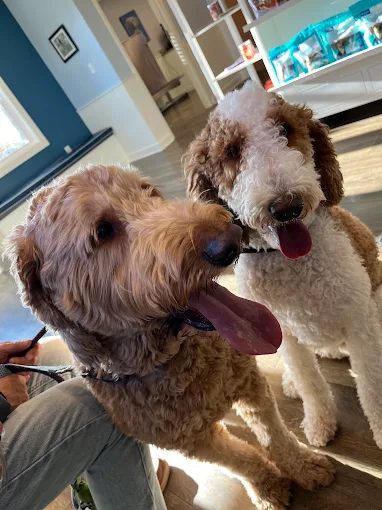
Why Early Training Builds a Strong Behavioral Foundation
Early training teaches dogs how to function successfully in a human world. It creates predictable routines, reinforces boundaries, and helps dogs manage excitement and uncertainty. Dogs that begin training early often develop stronger emotional control and better focus.
Early training helps dogs:
-
Adjust to handling and touch
-
Build confidence in new environments
-
Learn how to settle and focus
-
Respond calmly to structure
These skills directly support smoother vet visits. Dogs who understand expectations are easier to examine, less reactive during handling, and more resilient during unfamiliar procedures.
Why routine vet visits Support Training Success
Vet visits play a critical role in both physical health and behavior. Pain, discomfort, and untreated medical issues often present themselves as behavioral challenges before owners realize there is a health concern.
Consistent veterinary care supports:
-
Early detection of mobility or joint issues
-
Monitoring weight, nutrition, and dental health
-
Identifying pain that impacts behavior
-
Preventing small health concerns from escalating
One trusted local option for preventive veterinary care is
Savannah Animal Hospital, located in Lewes, Delaware. Their veterinary team focuses on education and proactive care to support dogs at every life stage. Owners can schedule appointments or learn more through their
contact page or by calling 302-645-8757.
How Training and Routine Vet Visits Work Together
Training and routine vet visits reinforce each other in powerful ways. Dogs trained to remain calm, follow direction, and tolerate handling experience significantly less stress during examinations. In return, dogs who are physically comfortable learn faster and maintain consistency during training.
When training progress stalls, one of the first steps I recommend is confirming there are no underlying health concerns. Veterinary insight helps ensure training plans remain safe and effective.
Programs like our
Basic Obedience Program help dogs build foundational behaviors that support daily routines, travel, grooming, and calm behavior during routine vet visits.
Creating Predictable Routines That Build Confidence
Dogs thrive on consistency. Predictable schedules for training, feeding, exercise, and healthcare help dogs feel secure. When routine vet visits are part of that structure, dogs are less likely to associate them with fear or anxiety.
Strong routines help dogs:
-
Regulate emotions more effectively
-
Retain training skills longer
-
Adjust better to lifestyle changes
-
Maintain confidence as they age
Seasonal disruptions can challenge routines if owners are not intentional. Maintaining structure year round is essential, which is why our article on
winter dog training and consistent progress highlights the importance of routine even during schedule changes.
Checklist for Long Term Success
Use this checklist to ensure training and healthcare support each other:
-
Schedule routine vet visits at least once per year
-
Begin structured training early
-
Practice calm handling at home
-
Address sudden behavior changes promptly
-
Maintain consistent daily routines
-
Adjust training intensity based on veterinary guidance
Frequently Asked Questions
How early should training begin?
Training should start as soon as your dog comes home. Early structure prepares dogs for handling and supports smoother vet visits later in life.
Can Routine Vet Visits improve behavior?
Yes. Many behavior issues are influenced by physical discomfort. Routine vet visits help identify medical factors that may interfere with training.
Should training stop during injury or recovery?
Training should be modified, not stopped. Always coordinate with your veterinarian to keep activity safe and appropriate.
Final Thoughts
Long term success with dogs comes from consistency, communication, and care. Early training teaches dogs how to navigate daily life calmly, while routine vet visits protect their health and comfort across every stage of life. Together, these elements create stronger, healthier, and more resilient dogs.
If you want help building a training plan that supports your dog’s long term health and confidence, reach out through our
contact page to get started. Investing in training and routine vet visits today creates a healthier future for your dog.