

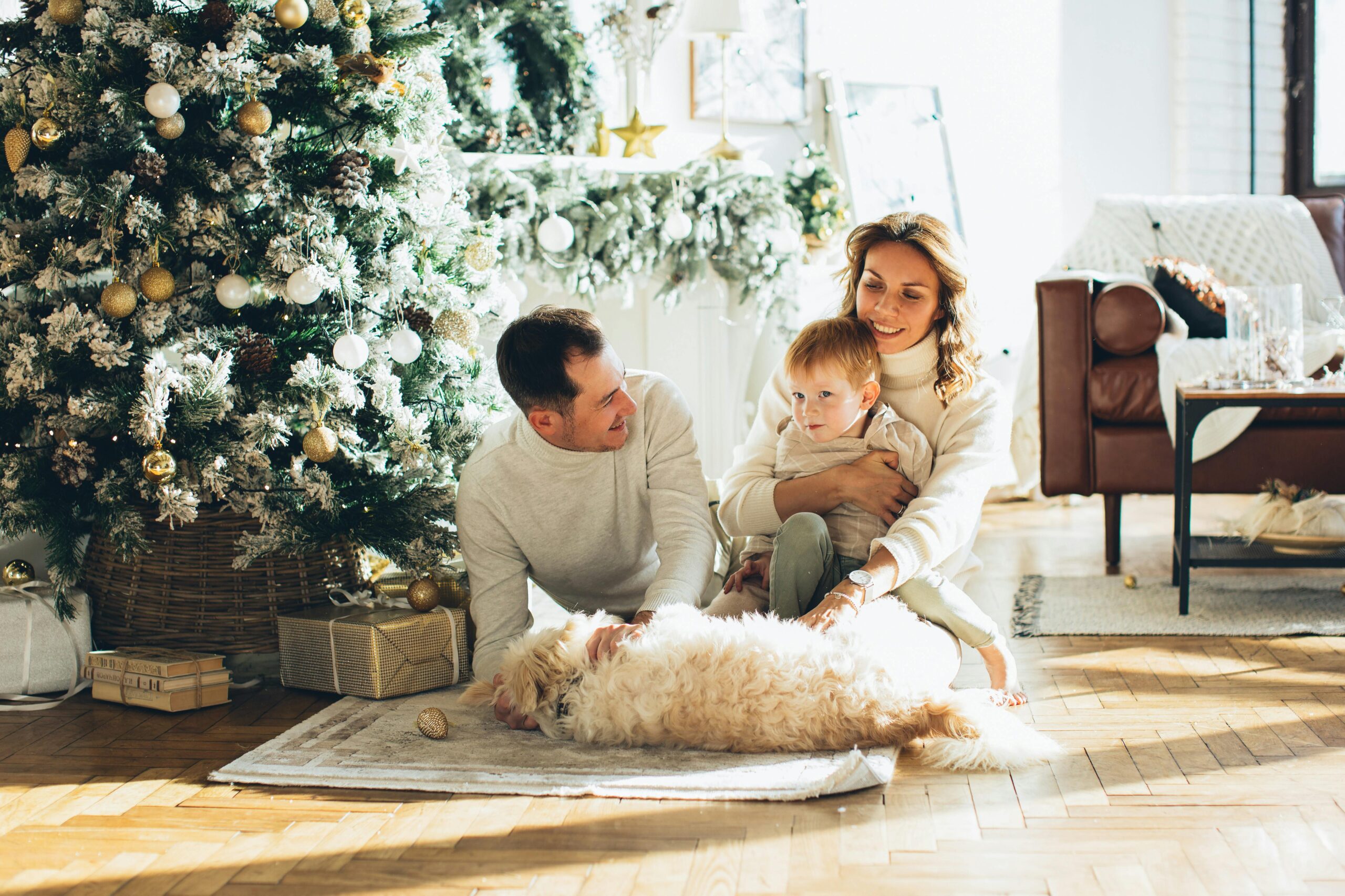
The holidays bring excitement, laughter, and delicious food, but they also introduce hidden dangers for your dog. From shiny ornaments to tempting leftovers, December can be one of the riskiest times of year for pets.
As a trainer, I remind clients every winter that structure and supervision matter just as much during the holidays as they do in training. With a little preparation, you can protect your dog from seasonal hazards while keeping your celebrations stress-free.
Dangerous Holiday Foods
Many holiday favorites are toxic to dogs. Even small amounts of certain foods can cause serious health issues.
Avoid feeding your dog:
- Chocolate (especially dark chocolate)
- Foods containing xylitol (found in sugar-free candy and baked goods)
- Onions, garlic, and leeks
- Raisins and grapes
- Cooked turkey or chicken bones
- Fatty table scraps and gravies
- Alcohol
If you want to treat your pup, stick with dog-safe snacks like carrots, apples, or plain pumpkin.
Our Basic Obedience Program helps dogs master impulse control and “leave it,” both of which are essential during busy holiday meals.
Decoration Dangers
Holiday décor can be just as risky as food if your dog is curious.
Common hazards include:
- Glass ornaments that can break and cause injuries
- Tinsel and ribbon that can be swallowed
- Electric cords that can shock or burn
- Candles and fireplaces that can lead to burns or fires
Keep decorations out of reach, and supervise your dog when they’re near the tree or garlands.
For more ideas on how to maintain calm control around distractions, read our post on training your dog to handle crowds and events. The same skills apply when your home is filled with guests and decorations.
Guests, Noise, and Overstimulation
Holiday gatherings can overwhelm even calm dogs. Strangers, new scents, and extra noise can create stress.
To help your dog stay calm:
- Practice the “place” command before guests arrive.
- Set up a quiet room or crate for breaks.
- Use background music or white noise to drown out loud sounds.
- Keep routines consistent to maintain a sense of security.
If your dog struggles with overstimulation, you may want to revisit threshold work and calm reinforcement exercises before the festivities begin.
Checklist: Holiday Dog Safety Essentials
- Keep all holiday food out of reach.
- Supervise your dog near trees and decorations.
- Store trash cans securely after meals.
- Maintain a consistent feeding and walk schedule.
- Practice obedience cues daily, especially “place” and “leave it.”
- Prepare a quiet, safe area for your dog to decompress.
Expert Insight
According to PetMD, fatty, salty, or sweet holiday foods can trigger digestive issues, pancreatitis, and toxicity in dogs. Prevention is always safer than treatment, so keep human foods and decorations safely out of reach.
FAQ: Holiday Safety for Dogs
Q: Can my dog have turkey or ham?
A: Small pieces of plain, unseasoned turkey breast are fine. Avoid skin, bones, and ham, which are high in sodium and fat.
Q: What should I do if my dog eats something toxic?
A: Contact your vet or the ASPCA Poison Control Center immediately. Quick action makes a big difference in outcomes.
Q: How do I keep my dog from jumping on guests?
A: Practice “place” before company arrives and reward calm greetings. Consistency and patience are key.
Q: Should I crate my dog during gatherings?
A: If your dog gets overwhelmed or anxious, crating is a great way to give them downtime and prevent overstimulation.
Final Thoughts: Safe Celebrations Start with Structure
The holidays should be joyful for the entire family, including your dog. With a combination of obedience training, supervision, and awareness, you can keep your furry friend safe and stress-free through the festivities.
A structured, trained dog is a happy dog, and that means you can focus on what matters most this season: family, peace, and gratitude.
Want help teaching your dog calm manners for the holidays? Contact us today to start training before the celebrations begin.