

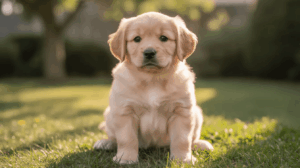
A complete new puppy checklist covers every supply, preparation step, and healthcare essential you need before your new furry friend crosses the threshold. Whether you’re a first-time dog owner or it’s been years since you raised a pup, having a structured plan prevents the scramble of realizing you’re missing critical items at 2 a.m. on your puppy’s first night home.
This guide covers the full spectrum of puppy preparation: supplies across every category, home setup and puppy proofing, healthcare and grooming readiness, and solutions to common challenges you may face during the first few weeks. It’s designed for anyone who wants to be genuinely ready, not just hopeful, when pickup day arrives. Proper preparation can make daily care easier while supporting your puppy’s safety, health, behavior, and emotional adjustment during an important developmental period.
A complete new puppy checklist includes essential supplies across six categories: feeding, comfort and sleep, training, safety, healthcare, and grooming. It should also include home-preparation steps, veterinary planning, and household routines that are arranged before your new pup arrives.
By the end of this checklist, you will:
- Know exactly what to buy and when to buy it on a clear timeline
- Understand how to puppy-proof your home room by room
- Have a healthcare and grooming preparation plan ready for your first vet visit
- Be equipped to handle common challenges like crate training, potty training, and destructive chewing
- Have a foundation for early training that sets your puppy up for a healthy life
Understanding Puppy Preparation Essentials
Comprehensive puppy preparation means more than filling a shopping cart. It means having physical supplies, a healthcare plan, safety measures, and a training strategy in place before pickup day. This level of readiness can reduce uncertainty and stress for both you and your puppy during the adjustment period. Establish household rules and consistent routines before bringing the puppy home. Deciding where the puppy sleeps, which rooms are off-limits, and who handles feeding can reduce confusion from day one.
Your puppy’s early experiences, environment, health, genetics, and ongoing training can all influence development. A little preparation now may reduce preventable safety risks, support better habits, and limit the stress of scrambling for supplies while simultaneously managing a confused or overwhelmed pup.
Supply Categories Overview
Your puppy supply list breaks down into six main categories, each supporting a different aspect of development and daily care:
- Feeding and Nutrition – Puppy food, food and water bowls, storage, feeding schedule tools
- Comfort and Sleep – Crate, dog bed, blankets, designated sleeping area
- Safety Equipment – Collar with ID tags, harness, leash, baby gates, exercise pen
- Healthcare Essentials – First aid kit, parasite prevention, veterinary relationship, pet insurance considerations
- Training Supplies – Treats for training, clicker, puzzle toys, puppy training pads
- Grooming – Brush, nail clippers, puppy-safe shampoo, dental care items
Together, these categories form a practical framework. Appropriate food supports physical growth. Comfort items can help your puppy settle. Safety equipment reduces the risk of injuries and escapes. Healthcare preparation supports preventive care and early veterinary attention. Training tools help reinforce desired behavior, while grooming supplies introduce hygiene and handling routines that can continue throughout your dog’s life.
Timeline Considerations
Not everything needs to arrive at once. A practical timeline prevents overwhelm and ensures nothing is forgotten:
2 to 3 weeks before pickup: Purchase core supplies that won’t change immediately, including a crate sized for your puppy’s expected adult size with a divider, a comfortable dog bed, basic grooming supplies, the same brand of puppy food the breeder or shelter used, chew toys, an adjustable collar, and a leash. Set up the crate and sleeping area so they’re ready the moment your puppy arrives.
Day of pickup and first few days: Have your first veterinary appointment scheduled within the first week. Prepare an ID tag, confirm whether your puppy is already microchipped, and verify that the microchip registration contains your current contact information. If your puppy is not microchipped, discuss it with your veterinarian. Stock a pet-safe enzymatic cleaner for accidents and begin establishing consistent feeding and potty schedules immediately.
As your puppy grows over the next few months: Update crate-divider positioning, harness sizes, and feeding quantities. Small breeds typically reach adult dog size by 6 to 12 months, while large and giant breeds may take 12 to 18 months or even up to 2 years. Planning for this growth from the start saves you from buying duplicate equipment.
With the timeline clear, let’s break down exactly what belongs in each supply category.

Essential Supply Categories
Each category below lists specific items with brief explanations of why they matter. This isn’t about buying the most expensive option. It’s about getting the right items that will serve your puppy through the critical early months.
Feeding and Nutrition Essentials
Puppies require food that is complete and balanced for growth because their nutritional needs differ from those of adult dogs. Choose a diet with a nutritional adequacy statement confirming that it is formulated for growth or all life stages. Large and giant breeds should receive a growth diet specifically formulated for dogs expected to weigh 70 pounds or more as adults because excessive calories or improperly balanced minerals can interfere with healthy skeletal development.
Your feeding essentials:
- High-quality puppy food – Puppies need complete and balanced food formulated for growth and appropriate for their expected adult size. Consult your veterinarian for recommendations based on your puppy’s breed, size, health, and expected growth. Transitioning to new food commonly takes about seven days, gradually mixing increasing amounts of the new food with the previous diet to reduce the risk of digestive upset.
- Durable food and water bowls – Stainless steel and intact ceramic bowls are common choices because they are durable and easy to clean. Wash food and water bowls regularly, inspect ceramic bowls for chips or cracks, and replace plastic bowls if they become deeply scratched or difficult to sanitize. Keep separate bowls for food and water, and consider an additional water bowl in another room.
- Slow-feeder bowl – For puppies that gulp their food, a properly designed slow feeder may help pace eating and make mealtimes less frantic. Rapid eating has been associated with gastric dilatation-volvulus, but a slow feeder does not eliminate GDV risk. Owners of large, giant, or deep-chested breeds should discuss feeding practices and preventive options with their veterinarian.
- Airtight food storage container – Keeps kibble fresh, limits pest access, and makes portion measurement easier. Keep the food in its original bag inside the container when possible so you retain the lot number, expiration date, and feeding information.
Treats should generally account for no more than 10% of a puppy’s daily calories. Choose small, soft treats for training sessions and ask your veterinarian how treats should be included in your puppy’s total daily intake.
Comfort and Sleep Setup
Puppies benefit from a designated sleeping area, and a thoughtful setup can make the first few nights easier. A crate can support safety, rest, travel preparation, and house training when it is introduced gradually and positively. However, not every puppy feels secure in a crate, and confinement may intensify distress in dogs with separation-related anxiety.
- Appropriately sized crate – A crate should be large enough for the puppy to stand comfortably, turn around, and lie down. A crate sized for the puppy’s expected adult size can be adjusted with a divider as your pup grows. It should not provide so much room that the puppy can establish a separate potty area. Wire crates with dividers are a practical option for many growing puppies.
- Comfortable dog bed and washable bedding – Choose washable bedding appropriate for your puppy’s chewing habits. If your puppy tears or swallows fabric, temporarily use a safer crate mat or consult your veterinarian about an appropriate setup. Keep a second bed in the main living area and extras for rotation and washing.
- Crate cover – A partial crate cover may reduce visual stimulation and help some puppies settle. Ensure adequate ventilation and confirm that your puppy cannot pull the material through the crate and chew it.
- White noise machine – White noise may help mask unfamiliar household sounds during the first nights. Keep the volume low and observe your puppy’s response because not every puppy finds the same sounds relaxing.
Create a designated puppy-safe space bounded by an exercise pen or baby gates. It can contain the crate, water, and toys that are appropriate for your puppy’s age and chewing habits. This designated area for rest and play provides predictability and limits access to the rest of the house when you cannot supervise directly.
For a gradual introduction process, see our Crate Training 101 guide.
Training and Safety Equipment
Proper equipment supports both safety and early training from the first day. Training can begin with name recognition, simple cues, household routines, and positive reinforcement.
- Adjustable collar with ID tag – A collar with an ID tag is essential for identification. Choose a lightweight, adjustable collar and check the fit frequently as your puppy grows. Include your name and current phone number on the tag. Microchipping provides permanent backup identification when the registration information is kept current.
- Harness – Collars and harnesses should be lightweight, secure, and properly fitted. A front-clip harness may help some owners manage pulling while a puppy learns leash skills, but it should fit without restricting normal shoulder movement. Equipment supports training, but it does not replace consistent reinforcement of loose-leash behavior.
- Standard leash measuring 4 to 6 feet – A standard leash should be long enough for comfortable walking but short enough to maintain safe control. Retractable leashes can create inconsistent tension and make it harder to manage a puppy around traffic, people, or other animals. A long line can be useful for recall practice in a secure area, but it should be attached to appropriate equipment and used only under direct supervision.
- Training treats and treat pouch – Small, soft, high-value puppy treats make immediate positive reinforcement easier. A belt-mounted treat pouch keeps rewards accessible during walks and short training sessions.
- Poop bags – Stock up on poop bags before day one. Bring them on every walk and consider keeping a dispenser attached to the leash.
- Puppy training pads – Pads can provide a designated indoor elimination area when outdoor access is limited. If outdoor elimination is the long-term goal, remember that transitioning from pads to an outdoor surface may require additional training.
Start with simple skills like name recognition, sit, recall, and calm handling. Use positive reinforcement consistently. If you want professional guidance from day one, private dog training sessions may help you establish an appropriate foundation before unwanted habits become established.
Setup Process and Home Preparation
Having the right supplies is only half the equation. Implementing them through proper home setup and safety preparation is what turns a pile of purchases into a functional puppy home. Complete these steps before pickup day because your time will be limited once your new friend arrives.
Puppy-Proofing Your Home
Puppy-proof your home by removing hazards. Puppies explore the world with their mouths, and their curiosity can expose them to swallowing, chewing, escape, and poisoning risks. Think of it like childproofing, but for an animal that moves quickly and investigates low surfaces.
- Secure electrical cords and remove small objects that could be swallowed – Tuck cords behind furniture or use cord covers. Pick up coins, batteries, hair ties, rubber bands, children’s toys, and other small objects from floors.
- Install baby gates to limit access to certain areas – Use securely installed gates to restrict access to staircases and rooms containing hazards. Block off any space you cannot actively supervise, and make sure your puppy cannot squeeze through, climb over, or become caught in the gate.
- Store cleaning products and chemicals in secured cabinets – Move cleaning products, medications, pesticides, and chemicals to upper shelves or cabinets fitted with secure latches. Puppies may be able to push open lower cabinet doors.
- Remove or elevate houseplants that may be toxic to dogs – Check the ASPCA toxic plant list and relocate plants that are unsafe for dogs. Sago palms are particularly dangerous, while pothos and some lilies can also cause harmful reactions.
- Set up the designated puppy zone – This bounded area becomes your puppy’s home base. Include the crate or resting space, water, and a limited selection of safe toys appropriate for your puppy’s chewing habits. Inspect toys regularly and remove any that are damaged. Secure your yard by checking fencing, gates, and gaps along the ground before allowing outdoor access.
Healthcare and Grooming Preparation
| Item Category | Essential Items | Purpose |
| Healthcare | Veterinarian-approved first aid supplies, thermometer, styptic powder, parasite-prevention plan | Basic preparation while seeking veterinary guidance and support |
| Grooming | Puppy brush, appropriately sized nail clippers, puppy-safe shampoo | Regular maintenance and gradual handling practice |
| Dental Care | Puppy toothbrush, dog toothpaste, veterinarian-approved dental products | Establishing an early dental hygiene routine |
Ask your veterinarian what to include in your puppy’s first aid kit and how to use each item. Common supplies may include gauze, nonstick pads, bandage material, a digital thermometer, and styptic powder for minor nail-trimming accidents. Use only pet-safe antiseptic products recommended by your veterinarian, and do not give human medications unless specifically instructed. Keep your regular veterinarian’s information, the nearest emergency veterinary clinic, medical records, and an animal poison-control number readily available.
A grooming routine can include brushing, nail care, dental care, and gentle handling practice. Starting gradually can help your puppy become more comfortable with being touched around the paws, ears, mouth, and body. Choose a mild shampoo made for puppies and avoid human shampoos or other products that have not been formulated for canine skin. Select grooming tools appropriate for your puppy’s current size and coat type.
First veterinary visits are important for establishing an individualized health plan. Schedule an appointment within the first week after bringing your puppy home and bring all available vaccination, deworming, and medical records. Distemper, adenovirus, and parvovirus vaccines commonly begin at 6 to 8 weeks and are repeated every 2 to 4 weeks until the puppy is older than 16 weeks, with vaccination through 18 to 20 weeks sometimes preferred in higher-risk settings. Rabies vaccination should follow state law and your veterinarian’s recommended schedule. Current AAHA canine vaccination guidance classifies leptospirosis as a core vaccine, while vaccines such as Lyme, Bordetella, and canine influenza are recommended according to lifestyle, location, and exposure risk.
Flea, tick, heartworm, and intestinal-parasite products have different age, weight, health, and dosing requirements. Do not assume that one product’s minimum age or weight applies to another. Ask your veterinarian which preventive products are appropriate for your puppy, follow the product label exactly, and mention any history of seizures or other health concerns. If considering pet insurance, compare waiting periods, exclusions, reimbursement terms, and coverage before choosing a policy.
Early healthcare preparation reduces emergency scrambling and puts you in a proactive rather than reactive position for your puppy’s care.

Common New Puppy Owner Challenges and Solutions
Even with thorough preparation, many new owners encounter similar adjustment challenges. Knowing what to expect and how to respond can keep small problems from developing into established habits.
Puppy Won’t Sleep in the Crate During the First Few Nights
Some restlessness during the first nights is common because your puppy has just been separated from familiar people, animals, sounds, and surroundings. Place the crate near your bed initially and maintain a consistent bedtime routine with a final potty trip and quiet settling period. If your puppy wakes and vocalizes after sleeping or enough time has passed since the last break, provide a brief, calm potty trip before returning to the crate.
Mild fussing may settle, but escalating panting, frantic scratching, prolonged crying, or attempts to escape can indicate distress. Crate adjustment may take days or longer depending on the individual puppy. Slow the process and seek veterinary or qualified behavior guidance if distress continues.
Overwhelming Number of Accidents During Housetraining
Accidents are likely during the early stages of potty training, and they are not a sign of failure. Reliable house training often takes several months, with progress varying according to age, development, health, routine, and previous experience. Very young puppies may need breaks every 30 minutes during active play and every 1 to 2 hours during quieter waking periods, as well as immediately after waking, eating, drinking, playing, and leaving the crate. Reward successful elimination in the correct location with immediate praise or a small treat.
Clean accidents promptly with a pet-safe enzymatic or odor-neutralizing cleaner according to the label directions. Close supervision, an age-appropriate potty schedule, and appropriate confinement can reduce opportunities for repeat accidents. Many puppies prefer not to soil their sleeping area, but a puppy left too long or experiencing a medical problem may still eliminate in the crate.
Puppy Chewing Everything Despite Having Toys
Safe chew toys can provide an appropriate outlet for teething and normal exploratory chewing. Without suitable options and supervision, furniture, shoes, electrical cords, and other household objects may become tempting targets. Rotate toys periodically to maintain interest and provide a mix of safe chew toys, food-dispensing toys, and comfort items appropriate for your puppy’s age and play style.
Redirect your puppy to an appropriate chew item when you catch destructive chewing. Avoid scolding after the fact because your puppy will not reliably connect delayed punishment with the earlier behavior. A pet-safe taste deterrent may help with some surfaces, but follow the label, test a hidden area first, and keep it away from your puppy’s eyes, skin, food, and water.
Short training sessions, safe interactive toys, sufficient rest, appropriate exercise, and supervised access can reduce boredom-related chewing. Structured puppy training can also help owners establish routine and address common puppy problems.
Socialization Gaps
The first three to four months are an especially important period for puppy socialization. Introduce your puppy gradually to different surfaces, sounds, people, handling experiences, environments, and healthy animals without forcing interaction. Appropriate early socialization may reduce the risk of later fearfulness and behavior problems, but it cannot guarantee that fear or aggression will never develop.
Socialization can begin before the entire vaccine series is complete, using precautions based on your veterinarian’s assessment of local disease risk. Safe options may include calm visitors, household sounds, car rides, being carried in public, meetings with healthy vaccinated dogs, and well-managed puppy classes with appropriate health requirements. Avoid dog parks and areas heavily used by unknown dogs until your veterinarian says they are appropriate. Although early socialization is especially influential, dogs can continue learning and building comfort after 16 weeks.
For more guidance on controlled early exposure, review this veterinary puppy socialization resource.
Conclusion and Next Steps
A complete puppy checklist covering feeding, comfort, training, healthcare, safety, and grooming gives you a practical foundation for your puppy’s transition. Appropriate food, a properly sized crate or safe confinement area, basic training equipment, veterinary preparation, identification, and a puppy-proofed home are central parts of responsible puppy care.
Your immediate action steps:
- Purchase essential supplies 2 to 3 weeks before pickup – Use the categories above as your shopping framework. Prioritize the crate or safe confinement area, puppy food, collar with an ID tag, leash, and cleaning supplies.
- Complete home puppy-proofing – Walk through every room at puppy height and eliminate hazards. Install secure baby gates, set up the puppy zone, and inspect your yard for possible escape routes.
- Schedule your first vet visit – Book an appointment within the first week of bringing your puppy home to establish an individualized vaccination, nutrition, and parasite-prevention plan.
- Begin training from day one – Start with name recognition, simple commands, a consistent routine, and positive reinforcement. If you want structured help, consider a puppy training program that addresses age-appropriate foundations such as potty training, crate training, bite inhibition, routine, basic commands, and loose-leash manners.
For continued development, explore puppy training schedules, safe socialization during the important early developmental period, and ongoing obedience training that grows with your puppy into adulthood. Training your puppy isn’t a one-time event. It’s a foundation you build on throughout your dog’s life.
Need help creating a practical training routine for your new puppy? Request a free consultation.
Frequently Asked Questions
When should I schedule my puppy’s first vet visit?
Schedule your puppy’s first veterinary visit within the first week after bringing them home, or sooner if they appear ill, are not eating, have vomiting or diarrhea, or show another concerning change. Bring all available health, vaccination, deworming, and microchip records so your veterinarian can establish an appropriate preventive-care plan.
How do I create a comfortable space for my new puppy?
Set up a designated puppy zone with a correctly sized crate or resting area, washable bedding suited to your puppy’s chewing habits, water, and safe toys. A partial crate cover or low-volume white noise may help some puppies settle, but monitor your puppy’s response and remove anything that causes distress or creates a chewing hazard.
What is the best way to transition my puppy to new food?
Transition your puppy’s food gradually over about seven days by mixing increasing amounts of the new food with the previous diet. Puppies with digestive problems or health conditions may need a different transition plan, so consult your veterinarian if vomiting, persistent diarrhea, appetite loss, or another concern develops.
How often should I take my puppy outside to potty?
Very young puppies may need potty trips every 30 minutes during active play and every 1 to 2 hours during quieter waking periods. Also take your puppy out immediately after waking, eating, drinking, playing, and leaving the crate. Consistent breaks and immediate positive reinforcement help establish appropriate potty habits.
What safety measures should I take to puppy-proof my home?
Remove or secure electrical cords, batteries, medications, small objects, chemicals, toxic plants, and anything your puppy could swallow or chew. Use secure gates to restrict access to unsafe areas, inspect fences for gaps, and store hazardous products in latched cabinets. Supervise your puppy closely while they learn which areas and objects are safe.
How can I handle my puppy’s chewing behavior?
Provide safe chew toys suited to your puppy’s size, age, and chewing style, and redirect inappropriate chewing immediately. Rotate toys periodically to maintain interest and remove damaged items before pieces can be swallowed. A pet-safe taste deterrent may help on some surfaces, but follow the label and test it in a hidden area first.
