

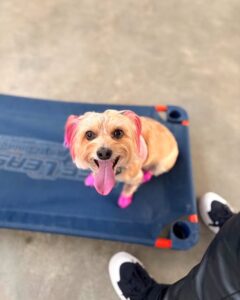
Your first week with a new puppy is a chance to build trust and start a manageable routine. Whether you brought home an 8-week-old Lab or adopted a puppy from a shelter, focus on safety, rest, potty breaks, and gentle introductions. This guide walks you through a practical first-week plan covering routine, crate comfort, socialization, and brief training sessions.
A good first week includes a predictable routine, frequent potty opportunities, comfortable rest, and positive experiences at your puppy’s pace. Introduce a few simple skills without expecting mastery. Accidents and interrupted sleep can happen even with a thoughtful plan.
This guide is for owners in houses or apartments in Dover and southern Delaware, including first-time owners and people returning to puppy care after several years. Contact your veterinarian about possible illness, pain, or sudden behavior changes. Seek qualified behavior support for severe fear or safety concerns.
Here is what you will walk away with:
- A daily routine you can adapt to your household.
- Practical potty and crate introduction steps.
- A first-week socialization checklist.
- Simple training skills to introduce.
- Guidance on when to ask for help.
Understanding Your Puppy’s First Week at Home
The first week is a big adjustment for both of you. Your puppy may have left littermates, a foster home, or another familiar caregiver. Meanwhile, you are adapting to interrupted sleep and close supervision. Recognizing that adjustment helps you respond with patience instead of frustration.
Early routines provide useful practice, but a difficult first week does not ruin future training. Puppies continue learning as they grow. Start with manageable habits and adjust when something is not working.
What to Expect
If your puppy comes home around 8–10 weeks, plan for frequent potty breaks and brief activities. Offer potty opportunities every 1–2 hours while awake, more often during active play, and after waking, eating, or drinking. Do not use a holding-time estimate to delay a needed break.
You may notice:
- Mouthing and chewing: Puppies explore and play with their mouths.
- Night waking or crying: A new sleeping arrangement may take adjustment.
- Following you: Your puppy may seek contact and reassurance.
- Startling at unfamiliar things: Keep new experiences manageable.
- Frequent naps: Provide plenty of opportunities for undisturbed sleep.
- Bursts of playful energy: Alternate activity with opportunities to settle.
Contact your veterinarian promptly if your puppy refuses food, seems unusually lethargic, vomits, or develops diarrhea. Do not automatically wait 24 hours or assume digestive symptoms are stress. Seek urgent veterinary care for severe weakness, collapse, breathing trouble, or other rapidly worsening symptoms.
VCA’s puppy diarrhea guidance explains why appetite loss, vomiting, lethargy, or blood in the stool need prompt attention.
Why Structure Helps
Supervision and rewards make it easier to practice the habits you want. Limit unsupervised roaming, offer frequent potty trips, provide appropriate chewing options, and reward calm greetings. These steps support learning without guaranteeing a particular rate of progress.
Choose simple household rules and use the same cues across the family. Name recognition, coming a few steps toward you, and settling nearby are useful starting points; reliable behavior around distractions takes continued practice.
Setting Up Your Home and Routine
Before your puppy arrives, or as soon as possible afterward, arrange a safe space and the supplies needed for daily care.
Puppy-Proofing Your Space
Choose a manageable puppy zone, such as a gated section of the kitchen or living room. Use a suitable pen or baby gates to support supervision, and expand access gradually as your puppy becomes comfortable and you can supervise safely.
Check the area from your puppy’s height and remove or secure:
- Electrical cords and charging cables.
- Cleaning supplies and household chemicals.
- Trash bins.
- Children’s toys and other swallowable objects.
- Medications and supplements.
- Toxic plants, including sago palms and pothos; check each plant’s exact identity.
- Rugs or mats your puppy might chew or soil.
Use the ASPCA’s plant-safety database to check specific plants rather than relying on common names alone.
Keep cleaning supplies stored safely, with an enzymatic cleaner available for accidents. Set up leashes, waste bags, and rewards near the door for quick potty trips.
Creating a Comfortable Crate Setup
A crate can support rest and management when your puppy is comfortable using it. Choose one that allows your puppy to stand naturally, turn around, and lie comfortably. A divider can adjust a larger crate as your puppy grows, but never reduce space below what your puppy needs for comfort. Crate size does not guarantee accident prevention.
Choose a comfortable location near you, with quiet surroundings and a suitable temperature. Use bedding and toys only if your puppy can safely have them without tearing off or swallowing pieces. Remove collars, harnesses, and attached leashes before unsupervised crate rest to reduce snagging risk.
For early practice:
- Secure the door open and allow voluntary exploration.
- Offer treats or part of a meal near the entrance.
- Practice brief door movement or closure only when your puppy is comfortable.
- Increase difficulty gradually.
- Avoid forced entry, punishment, and extended isolation.
- Do not exceed your puppy’s demonstrated comfort or delay needed potty breaks.
Our crate introduction guide provides additional steps. If confinement causes persistent distress, reassess the setup and seek guidance rather than pushing through.
Bringing Your Puppy Home Safely
Use an appropriate secured carrier or vehicle restraint for the trip home. Keep the journey quiet, and bring the puppy’s records and familiar food.
On arrival, offer a potty opportunity in a suitable area before introducing the puppy to the prepared space. Keep initial introductions brief and calm.
Building a Predictable Daily Routine
Use a predictable sequence of meals, potty opportunities, play, brief practice, and rest. The sample below is flexible: add potty breaks whenever your puppy needs them and arrange daytime help if your schedule cannot meet those needs.
| Part of the day | Example routine |
| Waking | Immediate potty opportunity |
| Morning | Breakfast according to the feeding plan, followed by another potty opportunity |
| Afterward | Brief supervised play or training, a potty check, and rest |
| Midday | Potty, scheduled meal if appropriate, gentle handling, and rest |
| Afternoon | Repeat short activity, potty, and rest cycles |
| Evening | Meal, potty opportunities, calm play, and family time |
| Bedtime | Potty immediately before settling near you |
| Overnight | Potty breaks and reassurance as needed |
If you live in an apartment or row home, allow time for stairs, elevators, and reaching the chosen potty area. Do not wait until your puppy is already struggling to hold it.

Daily Priorities in the First Week With a New Puppy
Potty Training From Day One
Accidents can happen during the first week. Frequent opportunities, supervision, and timely rewards help your puppy practice eliminating in the right place.
Follow these basic steps:
- Offer frequent opportunities. Go out after waking, eating, drinking, and playing, as well as at regular intervals while awake.
- Use a predictable area. Choose a suitable spot and keep trips simple.
- Watch for signals. Sniffing, circling, restlessness, or stopping play may mean it is time to go.
- Reward promptly. Give praise and a small reward immediately after your puppy finishes eliminating in the chosen spot.
VCA’s house-training guidance also emphasizes supervision, frequent opportunities, and recognizing individual patterns.
If you catch an accident beginning, calmly guide your puppy to the intended area without startling it. Clean afterward with an appropriate enzymatic cleaner. Do not punish accidents.
An indoor potty area may be useful when outdoor access is difficult, or your veterinarian recommends it. Keep the location clear and predictable, and plan a gradual transition if your eventual goal is outdoor elimination.
Sleep, Crate Time, and Night Wakings
Provide frequent opportunities for undisturbed sleep. If your puppy becomes increasingly mouthy or unable to engage, consider whether it needs rest, a potty break, or a quieter setting. Encourage settling without forcing a distressed puppy to remain confined.
For the first night:
- Offer a potty break immediately before bed.
- Use a sleeping arrangement where your puppy can rest safely near you.
- Keep the surroundings quiet and comfortable.
- Be ready to respond to waking, discomfort, or fear.
If your puppy wakes or cries, check for a potty need, discomfort, or fear. Keep nighttime potty trips quiet, then help your puppy settle again. Calm reassurance is appropriate; you do not need to withhold comfort from a frightened puppy.
Overnight needs vary. Use your puppy’s waking pattern and your veterinarian’s guidance rather than extending intervals on a fixed three-week schedule. Practice comfortable daytime rest separately, and do not assume that crate naps automatically resolve nighttime distress.
Feeding and Early Health Checks
Ask your veterinarian to confirm the food, portions, and meal frequency appropriate for your puppy’s age, size, and health. Scheduled meals can help you monitor intake and anticipate potty needs. Keep fresh water available.
Ask the previous caregiver what your puppy has been eating and avoid an unnecessary abrupt change. If a change is needed, ask your veterinarian how to transition gradually, especially if appetite or stool quality is already abnormal.
Use a portion of the daily food allowance for training when appropriate, while keeping track of total intake.
Arrange a veterinary appointment soon after homecoming and bring the available medical records. Review vaccinations, deworming, parasite prevention, nutrition, and microchip registration. The vaccine schedule should reflect your puppy’s history and risk; do not assume protection is complete at exactly 16 weeks.
The AAHA vaccination guidance explains why puppies need a series and why timing may vary.
Early Training Starts Now
Begin gentle, reward-based learning when your puppy comes home. Early practice supports useful habits, but it does not guarantee prevention of behavior problems. Keep lessons brief and adjust to your puppy’s comfort.
Skills to introduce include:
- Name recognition: Say the name and reward when your puppy looks toward you.
- Sit: Use a gentle food lure and reward the response.
- Come indoors: Invite your puppy a few steps toward you and reward arrival.
- Leash introduction: Use a comfortable harness and lightweight leash under direct supervision. Reward a few relaxed steps, then remove the equipment when practice ends.
- Mat introduction: Reward stepping onto or resting on a mat.
Try 1- to 3-minute sessions and stop sooner if your puppy loses interest. Reward with something your puppy enjoys, such as small treats, play, or praise. Use part of the regular food allowance when appropriate, without withholding needed meals to create motivation.As your puppy grows, use this puppy training schedule by age to identify age-appropriate skills and adjust your training priorities.
Safe Socialization
Socialization means helping your puppy feel comfortable with everyday experiences, not requiring greetings with every person or dog. Ask your veterinarian about lower-risk options before the vaccine series is complete. Observe activity from a comfortable distance, introduce household sounds gently, and allow your puppy to move away.
The American Veterinary Society of Animal Behavior’s puppy socialization statement supports carefully managed socialization before puppies complete their vaccination series. The first three months are especially important for positive social experiences, but learning continues afterward. Prioritize comfortable experiences over a deadline or a checklist quota.
Possible first-week experiences include:
- A calm visitor who lets the puppy approach.
- Household sounds at a comfortable volume.
- Safe surfaces inside your home.
- Gentle handling paired with rewards.
- Watching traffic or bicycles from a distance while being carried.
- Contact with a known, healthy, appropriately vaccinated dog when your veterinarian considers it suitable.
Avoid dog parks and heavily used dog areas until your veterinarian advises they are appropriate. If your puppy hides, freezes, or tries to leave, reduce the intensity.
Common First-Week Challenges
Crying and Separation Distress
Respond to distress and check your puppy’s needs rather than waiting for silence. During the day, begin separation practice with a small movement away while your puppy remains comfortable. Return before distress develops, and increase difficulty gradually. Even five seconds may be too much at first.
If your puppy shows panic, escape attempts, injury, or persistent inability to settle, contact your veterinarian and seek a professional with relevant behavior experience. Do not assume a general obedience program treats separation-related distress.
Mouthing and Rough Play
Mouthing and play biting are common in young puppies. Offer suitable toys, pause rough interactions, and reward gentler play. Repeated injurious bites, guarding, or behavior that appears painful needs individualized assessment.
Keep toys within reach so you can redirect. If play becomes too rough, briefly step away behind a barrier when safe rather than using the crate as punishment.
Supervise interactions with children, keep play gentle, and let the puppy approach voluntarily. An adult should step in when either the puppy or child becomes overwhelmed. Ask for guidance if you are unsure how to manage biting safely.
Accidents and Inconsistent Progress
Review supervision, potty frequency, and whether the intended potty area is clear and accessible. Do not rely on your puppy to signal every need, and consider medical causes when accidents appear suddenly or come with other symptoms.
If progress stalls, offer more frequent breaks and use a pen or gates to support supervision. If you use a leash indoors, an attentive adult must supervise directly; never leave a puppy tethered alone. Accidents are information for adjusting the plan, not a reason to blame yourself or the puppy.
Guests, Children, and Overwhelm
Keep early visits brief and calm. Let your puppy approach voluntarily, and provide a quiet place to retreat. If your puppy freezes, hides, or tries to leave, reduce the intensity of the interaction. Do not assume the response is explained by a specific fear period.
Do not let visitors chase, grab, or disturb a sleeping or eating puppy. It is fine to postpone a visit when your puppy needs rest.
A Flexible First-Week Plan
Use this framework as an example rather than a set of deadlines.
Days 1–2: Arrival and Settling In
- Keep the homecoming quiet and limit visitors.
- Offer a potty opportunity on arrival and frequently afterward.
- Introduce the prepared puppy zone.
- Allow voluntary exploration of the open crate.
- Learn the puppy’s familiar food and routines.
- Contact your veterinarian about food refusal, vomiting, diarrhea, unusual lethargy, or other concerning changes; do not wait 24 hours by default.
Days 3–4: Building Familiarity
- Continue predictable activity, potty, and rest cycles.
- Try name recognition, sit, and short indoor recall games.
- Introduce the harness and leash only under direct supervision.
- Try a short car ride with an appropriate restraint or observe neighborhood activity while carrying your puppy.
- Follow veterinary advice about suitable locations and contact with other animals.
- Complete or confirm the first veterinary appointment.
- Practice brief, gentle handling without restraining a struggling puppy.
Days 5–7: Reviewing and Adjusting
- Look for patterns in sleep, appetite, potty needs, and activity.
- Increase crate practice only when your puppy remains relaxed, and continue potty breaks based on actual needs.
- Choose one or two manageable training priorities.
- Use suitable barriers and close supervision for pet introductions.
- Provide separate resting and feeding areas, and let both animals’ comfort determine the pace.
- Identify questions for your veterinarian or trainer and choose the next few skills based on your puppy’s progress.
Conclusion and Next Steps
The first week with a new puppy is about safety, trust, rest, and gentle learning. You do not need to achieve perfect house training, quiet nights, or reliable obedience in seven days.
Keep a predictable routine and adjust it as your puppy’s needs change. Track comfortable social experiences, practice a few simple skills, and ask for help when health or behavior concerns arise.
If you want hands-on support, explore the available private dog training options and ask about age requirements, methods, and goals appropriate for your puppy.
FAQs
What should I teach my puppy first?
Start with its name, coming a few steps toward you, gentle handling, and everyday routines. Potty opportunities, comfortable rest, and feeling safe are priorities too.
Should I ignore crying on the first night?
Check for a potty need, discomfort, or fear. Keep nighttime activity calm and provide reassurance. Persistent or severe distress needs a different plan, not a requirement to cry until quiet.
Can socialization begin before all vaccinations are complete?
Yes, with precautions chosen with your veterinarian. Positive experiences at home, being carried while observing activity, and appropriate contact with known healthy animals may be options. Avoid assuming every location carries the same risk.
Should my puppy be house-trained by the end of the week?
No. The first week introduces the routine. Continue supervision, frequent opportunities, and rewards, and ask your veterinarian about concerning symptoms or sudden changes.
Additional Resources
Keep a simple log of meals, potty trips, sleep, crate comfort, and new experiences. A notes app or paper checklist is enough.
For Delaware requirements, ask your veterinarian when to give the rabies vaccine and review the state’s rabies guidance. Delaware law generally requires dogs six months of age or older to be vaccinated against rabies, subject to applicable veterinary medical exemptions. Ask your veterinarian when your puppy should receive the vaccine rather than waiting until the legal deadline.
If you prefer structured video guidance, the online puppy training course offers instruction on early puppy foundations.
For local training questions, request a free consultation with Off Leash K9 Training Southern Delaware and describe your puppy’s age, routine, and current challenges.
