

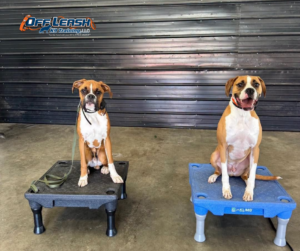
A puppy training schedule by age helps you decide what to practice as your puppy grows. Begin when your puppy comes home, often around 8 weeks, with brief lessons woven into daily routines. This guide covers potty training, crate comfort, socialization, basic cues, leash manners, and recall through the first year and beyond. Treat the ages as starting points, not deadlines.
This puppy training guide is written for owners in Dover and southern Delaware who want a realistic roadmap. Whether you train at home or work with a professional, adjust the schedule to your puppy’s health, confidence, attention, and progress.
Aggression, serious reactivity, and distress when left alone need individualized assessment. Contact your veterinarian and a qualified behavior professional rather than relying on an age-based schedule alone.
Understanding Age-Based Puppy Training
An age-based schedule helps you set reasonable expectations, but age alone does not determine readiness. Begin new skills in a quiet setting, reward small successes, and increase difficulty only when your puppy is comfortable and engaged.
Your puppy’s previous experiences, health, temperament, and daily routine also affect progress. A skill that is easy at home may need more practice somewhere new.
Key Development Stages
Use these broad stages for context:
- Before coming home: Early care and experiences matter, but this guide begins around the age most owners bring a puppy home. Ask the breeder, rescue, or foster caregiver about the puppy’s routines and previous experiences.
- Early socialization: The first three months are especially important for positive experiences with people, animals, sounds, surfaces, and environments. Continue socialization afterward, and respond to your puppy’s comfort rather than following a fixed fear-period calendar.
- Growing puppies: As puppies grow, build household manners, provide appropriate chewing outlets, and practice familiar cues around manageable distractions.
- Adolescence: Timing varies by dog. Increased independence and distraction can make familiar skills harder, so return to easier practice when needed.
Core Skills Every Puppy Schedule Should Include
Five categories belong in your plan:
- House training and crate comfort: Reward elimination in the right place and introduce a comfortable resting area.
- Socialization and handling: Provide positive experiences with people, animals, environments, and gentle handling.
- Basic cues: Practice name recognition, sit, down, come, place, stay, leave it, and drop it as appropriate.
- Household manners: Reward calm greetings, brief waiting, gentle play, and settling.
- Alone-time practice: Help your puppy become comfortable with brief separations, increasing time gradually while watching for distress. This supports independence but does not guarantee prevention of separation anxiety.
Quick Reference: Puppy Training Schedule by Age
Use this table to choose priorities. Session lengths are practical starting suggestions, and progress examples are goals to work toward rather than requirements for a particular age.
| Age | Main priorities | Practice approach | Progress to look for |
| 8–10 weeks | Potty routine, crate introduction, name response, handling, safe socialization | Try 1- to 3-minute lessons during daily routines | More comfortable at home; beginning to recognize familiar cues |
| 10–12 weeks | Sit, down, short recall games, leash comfort, brief separations | About 1–5 minutes when engaged; stop sooner when needed | Willing participation and increasing comfort |
| 3–4 months | Gentle play, door manners, settling, leash foundations | Several brief opportunities, with rest between them | Familiar skills becoming easier in quiet settings |
| 5–6 months | Leave it, drop it, polite greetings, mild distractions | Short sessions plus practice during meals and walks | Successful responses around manageable distractions |
| 6–9 months | Long-line recall, public manners, adolescent support | Practice with breaks and enough distance from distractions | Better engagement in gradually harder settings |
| 9–12 months | Generalizing familiar skills and maintaining household routines | Mix brief focused work with everyday practice | Skills working in more than one environment |
| 12+ months | Maintenance and any skills needing more practice | Short refreshers and regular real-life opportunities | Continued progress based on individual needs |
New Puppy Home: 8 to 10 Weeks Old
The first weeks home are about building trust and a predictable routine. Try 1- to 3-minute lessons, ending sooner if your puppy loses interest. Make room for frequent naps, quiet time, supervised play, and potty breaks rather than filling every awake period with training.
Daily Routine and Potty Schedule
Offer potty breaks every 1–2 hours while your young puppy is awake, and more often during active play. Also go out after waking, eating, drinking, and playing. Reward immediately after your puppy finishes eliminating in the right spot. Age-based bladder formulas are rough estimates, not a reason to delay a needed break.
The veterinary guidance in VCA’s house-training resource emphasizes frequent opportunities, supervision, and recognizing your puppy’s signals.
A sample day might look like this:
- 6:00–6:30 a.m.: Wake up and take an immediate potty trip.
- 6:30–7:00 a.m.: Breakfast, another potty opportunity, and a brief name-recognition or sit game.
- Morning: Alternate supervised play, quiet exploration, potty breaks, and naps.
- Midday: Follow your puppy’s feeding plan, offer potty breaks, and practice gentle handling or a short recall game.
- Afternoon: Repeat the same rest, play, and potty cycle.
- Evening: Dinner, potty opportunities, gentle play, and quiet settling.
- Bedtime: Take a final potty trip and settle in a comfortable sleeping area.
- Overnight: Provide a potty break when needed.
These times are an example, not a requirement. Arrange help if your work schedule prevents you from meeting your puppy’s needs.
Track potty times and accidents for several days so you can spot patterns. Begin house training when your puppy comes home, but expect progress to take time. Reliable habits may take several months, and setbacks do not automatically mean the schedule has failed.
First Training Goals
Start with a few simple skills:
- Name recognition and eye contact: Say your puppy’s name once and reward when your puppy looks toward you.
- Sit: Lure gently with a treat and reward when your puppy’s rear touches the floor.
- Simple come: Take a few steps backward, invite your puppy toward you, and reward arrival.
- Gentle handling: Briefly touch a paw, ear, or collar area, then reward. Stop or make it easier if your puppy pulls away.
- Crate introduction: Toss treats inside and allow your puppy to explore with the door open. Begin brief door closures only when your puppy is comfortable.
Reward behaviors you want with something your puppy enjoys, such as a small treat, play, or praise. A clicker or a consistent word such as “yes” can mark the moment your puppy gets it right. Use reward-based methods throughout the training plan, consistent with AVSAB’s humane training recommendations.
Socialization Focus
Socialization means helping your puppy feel comfortable with everyday life. It does not require greeting every person or dog.
The AVSAB puppy socialization statement supports safe socialization before puppies are fully vaccinated.
Lower-risk possibilities include:
- Short car rides with your puppy secured in an appropriate carrier or vehicle restraint.
- Watching neighborhood activity from your arms or another suitable protected position.
- Hearing household sounds at a comfortable volume and distance.
- Meeting calm visitors who allow your puppy to approach.
- Meeting a known, healthy, appropriately vaccinated dog in a suitable private setting.
Ask your veterinarian which outings are appropriate for your puppy’s vaccination status and local disease conditions. Avoid dog parks and heavily used dog areas until your veterinarian advises that they are appropriate, while continuing lower-risk socialization.
Building the Foundation: 10 to 12 Weeks Old
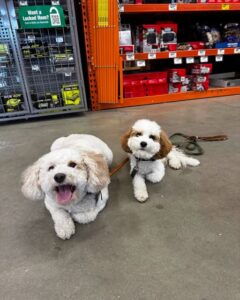
At 10–12 weeks, keep practicing the same foundations and add small challenges as your puppy becomes comfortable. Try brief sessions of about 1–5 minutes, with plenty of breaks. Puppies continue learning beyond the early socialization period.
Refining House and Crate Training
Keep offering frequent potty opportunities and adjust the interval using your puppy’s actual pattern. Sleeping comfortably for a longer stretch does not mean your puppy can wait equally long while awake and active. Overnight breaks may still be needed.
Increase crate time in small steps while your puppy remains comfortable. If whining begins, check for a potty need, discomfort, or difficulty with separation. Persistent vocalizing, drooling, or attempts to escape call for a shorter, easier plan and veterinary guidance if they continue. Do not use a timer to decide whether distress should be ignored.
A crate should provide enough room to stand, turn around, and rest comfortably. Introduce it gradually, as explained in UC Davis’s crate-training guide.
For alone-time practice, begin with a brief step away while your puppy remains comfortable. Return before the exercise becomes distressing, and build gradually. Being comfortable in a crate while you sit nearby does not automatically mean your puppy is ready to be left alone.
Obedience Basics to Introduce Now
Introduce or refine these cues:
- Sit and down: Practice in quiet rooms and reward small improvements.
- Come: Add a little distance indoors before practicing in a secure outdoor area.
- Place: Reward stepping onto a mat, then build a few seconds of relaxed behavior.
- Loose-leash practice: Introduce a comfortable harness and lightweight leash under direct supervision. Hold the leash loosely and reward a few steps beside you. Remove the equipment when practice ends.
Use the same cue and reward timing across the household. Keep sessions short enough for your puppy to stay engaged, and continue reward-based training as your dog grows.
Socialization Checklist
Choose manageable experiences and pair them with something your puppy enjoys. Repeat familiar experiences when needed instead of meeting a daily quota. Possibilities include:
- Safe surfaces such as tile, grass, and pavement.
- People wearing hats or carrying umbrellas.
- People of different ages and people using mobility aids.
- Cars, bicycles, and delivery vehicles observed from a comfortable distance.
- Gentle handling by another trusted person.
- Quiet recordings of household or outdoor sounds.
If your puppy retreats, freezes, or tries to leave, reduce the intensity and allow more distance. Do not force interaction.
If you are considering classes, ask your veterinarian about appropriate timing and choose a program with suitable vaccination, cleaning, and reward-based training policies.
3 to 4 Months Old: Structure and Consistency
Keep the familiar routine and gradually practice around mild distractions. Brief waiting and settling games can already be part of daily life; there is no need to wait until a specific month to introduce them.
Sample Daily Training Schedule
Build your day around:
- Meals: Follow a consistent feeding plan recommended for your puppy.
- Potty breaks: Continue frequent opportunities, especially after sleep, meals, drinking, and play.
- Training: Practice a few familiar behaviors in brief sessions.
- Play and enrichment: Include supervised sniffing, suitable food puzzles, and gentle games.
- Rest: Provide frequent opportunities for undisturbed sleep and a quiet place to settle.
Ask your veterinarian about suitable exercise for your puppy’s breed, health, and growth. Favor comfortable walks and self-paced play, and avoid pushing a growing puppy through strenuous exercise. A minutes-per-month formula should not be treated as an individual exercise prescription.
VCA’s puppy exercise guidance explains why strenuous activity needs particular care while puppies are growing.
Training Priorities
Work toward:
- Responding to name and come in quiet settings.
- Sit and down with small distractions.
- Briefly waiting at a secured doorway before being released.
- Taking several steps on a loose leash.
- Settling on a mat for a short period.
Gradually increase difficulty by integrating training into real-life routines. Sit before going outside. Come for meals. Settle nearby while you prepare food.
Change one challenge at a time: duration, distance, or distraction. If your puppy struggles, return to an easier version.
Managing Chewing and Mouthy Behavior
Offer appropriately sized puppy chew toys and supervise their use. If teeth contact skin or clothing, pause the interaction and redirect to a toy. If your puppy is too excited to engage gently, briefly step away behind a barrier and return when things are calmer. Keep the crate and resting mat associated with comfort.
VCA’s puppy-biting guidance also describes ending play and redirecting toward appropriate chewing.
Seek help for repeated injurious bites, stiff or threatening behavior around food or toys, or handling that appears painful. Growling needs context; it can occur during play or communicate discomfort. Avoid punishing the warning, and contact your veterinarian and a qualified behavior professional when safety is a concern.
5 to 6 Months Old: Building Household Manners
As puppies grow, familiar cues may become harder around distractions. Adolescence may contribute, but timing varies. If behavior changes suddenly, consider health, discomfort, sleep, and changes in the environment rather than assuming hormones are the only cause.
Obedience and Impulse Control
Continue working on:
- Sit, down, come, and place around mild distractions.
- Polite leash walking at a comfortable distance from people and dogs.
- Leave it and drop it, beginning with easy practice.
- Calm greetings with four paws on the floor.
Keep learning fun. Recall games between two family members, short mat exercises, and finding a tossed treat can provide practice without long drills.
Continue several brief practice opportunities across the day. A few focused minutes may be enough for a new skill, while familiar behaviors can be practiced during meals, walks, and play. Stop before your puppy becomes tired or frustrated.
Exercise, Rest, and Enrichment
Keep meals, outings, rest, and potty breaks predictable. Follow your veterinarian’s feeding recommendations and your puppy’s actual elimination pattern rather than changing the routine simply because of age.
Include sniffing, suitable food puzzles, play, and rest alongside physical activity. Adjust the balance based on how your puppy responds instead of trying to exhaust your puppy with longer or harder exercise.
Fine-Tuning House Manners
Home behaviors to practice include:
- Waiting at secured doors and gates.
- Greeting guests calmly.
- Settling behind a baby gate when needed.
- Resting on a mat while the household is busy.
Link these manners to cues your puppy already knows. Reward the behavior you want and use supervision or barriers to prevent repeated practice of unwanted behavior.
6 to 12 Months Old: Building Skills Around Distractions
During adolescence, keep practicing familiar skills in gradually more challenging settings. Work at a distance where your dog can notice a distraction and still respond. Increase difficulty based on performance rather than age alone.
Obedience in Real-World Settings
Practice familiar cues in suitable places, such as a quiet street, a friend’s fenced yard, or a pet-friendly location where dogs are allowed.
A behavior learned in the living room may need easier practice in the yard or on a quiet sidewalk. When you change locations, reduce the difficulty and reward successful responses.
If your dog cannot respond, move farther from the distraction or make the task simpler. Repeating a cue louder is unlikely to make the situation easier.
Practicing Recall Safely
Practice recall in a securely fenced area or with a long line attached to a comfortable harness. Keep the line clear of legs and obstacles, supervise closely, and prevent your dog from hitting the end at speed. Reliable practice in a few places does not guarantee safety around traffic, wildlife, or unfamiliar dogs. Follow the rules for each location.
Begin with easy recalls, reward generously, and sometimes release your dog back to sniffing or play so coming to you does not always end the fun.
Managing Adolescent Challenges
Common difficulties include:
- Slower responses to familiar cues outdoors.
- Barking or becoming overexcited around dogs or people.
- Jumping, counter surfing, or stealing household items.
Make difficult situations easier with distance, barriers, supervision, and rewards for an alternative behavior. Avoid leaving a leash attached to an unsupervised dog. New aggression, severe fear, or injurious biting warrants prompt veterinary and behavior support.
12+ Months: Maintenance and Skills That Need More Practice
Training continues beyond the first birthday. Some dogs are still maturing, and dogs of any age can benefit from a clearer routine and easier practice.
Maintaining a Healthy Training Routine
A weekly rhythm for an older puppy or young adult dog might include:
- Short daily refreshers for recall, settling, and household manners.
- Regular leash practice during suitable walks.
- Familiar cues practiced in gradually different settings.
- Play, enrichment, and rest.
Keep rewarding important behaviors and practicing them in everyday situations. If a skill becomes less reliable, return to an easier setting and rebuild gradually.
Catching Up on Missed Skills
If house training is incomplete, revisit supervision, potty frequency, and rewards. Ask your veterinarian about persistent or sudden accidents.
For pulling, jumping, or rushing through doors, begin in a quiet environment and reward an easier alternative. Fearful responses require particular care; forcing a dog closer to something frightening can make the experience harder.
Older puppies and adult dogs can continue learning. The right plan depends on the behavior, its history, and the dog’s health and comfort. Resource guarding, fear, and reactivity need individualized guidance rather than a promised training timeline.
Implementing Your Puppy Training Schedule
Creating a Weekly Plan
Choose 2–3 priority skills per week to keep the plan manageable. Link brief practice opportunities to events that already happen, such as breakfast, walks, and evening play.
At the end of each week, assess:
- Which skills became easier?
- Which need more practice?
- Was your puppy comfortable and engaged?
- Did you increase difficulty too quickly?
- Does the routine provide enough rest and potty opportunities?
Keep working at the current level when needed. Progress does not have to follow the calendar.
At-Home Practice and Professional Support
At-home training works well when you can practice regularly, and your puppy’s needs are within your experience.
Private lessons provide coaching for you and your dog. Explore the company’s private dog training options and confirm the lesson location, methods, and goals before enrolling.
Board and train provides training while your dog stays away from home. The company lists board and train programs; ask about age requirements, welfare, training methods, owner instruction, and follow-up. Continued practice at home remains part of the plan.
Seek help whenever safety, distress, or lack of progress concerns you. Contact your veterinarian promptly for sudden house-training regression, painful urination, or other health changes. You do not need to wait until six months to ask for support.
Common Puppy Training Schedule Challenges
Persistent Accidents Despite a Schedule
Review potty frequency, supervision, and whether your puppy has too much freedom too soon.
- Offer more frequent breaks.
- Reward immediately after successful elimination.
- Clean accidents with an appropriate enzymatic cleaner.
- Use baby gates or an appropriate resting area to support supervision, while continuing frequent potty breaks. Confinement does not prevent every accident.
- Consult your veterinarian for sudden regression or signs of discomfort.
Avoid punishment for accidents. Adjust the routine to make the next success easier.
Puppy Will Not Focus During Sessions
If your puppy cannot engage, check for fatigue, distractions, fear, discomfort, or a need for a break. Shorten the session and try a quieter setting. Use small rewards your puppy enjoys, including part of the regular food allowance when appropriate, without withholding needed meals to create motivation.
Watch your puppy rather than the clock. Wandering away, repeated mistakes, or increasing frustration may mean the task is too difficult or the session should end.
Inconsistent Family Members
Mixed cues and household rules make practice harder to follow.
Post a simple house-rules list: the cues to use, household boundaries, and how to reward or redirect behavior. If family members need help following the same plan, ask a trainer for coaching.
Conclusion and Next Steps
The best puppy training schedule is consistent, flexible, and focused on a few useful goals at a time. Begin with trust, a potty routine, comfortable rest, and brief lessons, then add challenges as your puppy becomes ready.
Your next steps:
- Find your puppy’s age band and choose this week’s priorities.
- Practice briefly during meals, walks, and play.
- Track accidents, successful responses, and comfort in new situations.
- Make the plan easier when your puppy struggles.
For local support, contact Off Leash K9 Training Southern Delaware to schedule a free phone consultation and discuss your puppy’s age, needs, and training goals.
FAQ’s
When should I start training my puppy?
Begin when your puppy comes home, often around 8 weeks. Start with name recognition, a potty routine, gentle handling, crate introduction, and simple reward-based games.
How many minutes per day should I train at each age?
There is no required daily minute total for every puppy. Start with 1- to 3-minute lessons for a new puppy and try sessions up to about five minutes when your puppy stays engaged. Older puppies may enjoy longer practice with breaks, but ordinary routines also provide learning opportunities.
What should I teach first at 8 to 12 weeks?
Focus on potty routines, name response, coming a few steps toward you, gentle handling, and comfortable experiences with everyday life. Add simple cues without expecting immediate mastery.
Is my puppy behind if we missed early socialization?
Your dog can still learn after the early socialization period. Start with manageable experiences, allow distance and choice, and avoid forcing interactions. If your dog is fearful or reactive, seek an individualized plan from your veterinarian and a qualified behavior professional.
When is it time to call a professional trainer?
Ask for help whenever you are unsure how to progress, or safety becomes a concern. Persistent distress, resource guarding, repeated injurious bites, and serious reactivity warrant individualized support. Sudden behavior changes or house-training regression also call for veterinary assessment.
